
Plastic Injection Mold Maker in China
To begin with, Zemyn is a plastic injection mold maker in China supporting tooling projects from drawing review to mold delivery. Firstly, our engineers evaluate the part design, plastic material, production quantity and tooling requirements. Then, one project team coordinates mold design, machining, assembly and trials.
- Prototype and production injection molds
- Customer-specified mold steel and mold base
- Single-cavity, multi-cavity and complex mold structures
- Trial samples and inspection reports
- Export mold delivery or continued plastic part production
Plastic Injection Mold Maker Services and Capabilities
Because each plastic product requires a suitable mold structure and tooling strategy, our engineers review the part size, plastic material, expected quantity, appearance requirements and molding equipment before recommending a solution.
For example, Zemyn supports prototype tooling for product validation as well as durable production molds for regular manufacturing. Moreover, our engineers compare the available mold structures before recommending a solution. Therefore, the selected structure matches the product requirements and expected production volume.
Injection Mold Types We Support
- Prototype and Rapid Tooling
- Production Injection Molds
- Single-Cavity Molds
- Multi-Cavity Molds
- Hot Runner and Cold Runner Molds
- Two-Shot and Two-Color Molds
- Insert Molding and Overmolding Tools
- Unscrewing and Threaded Part Molds
- Large Plastic Part Molds
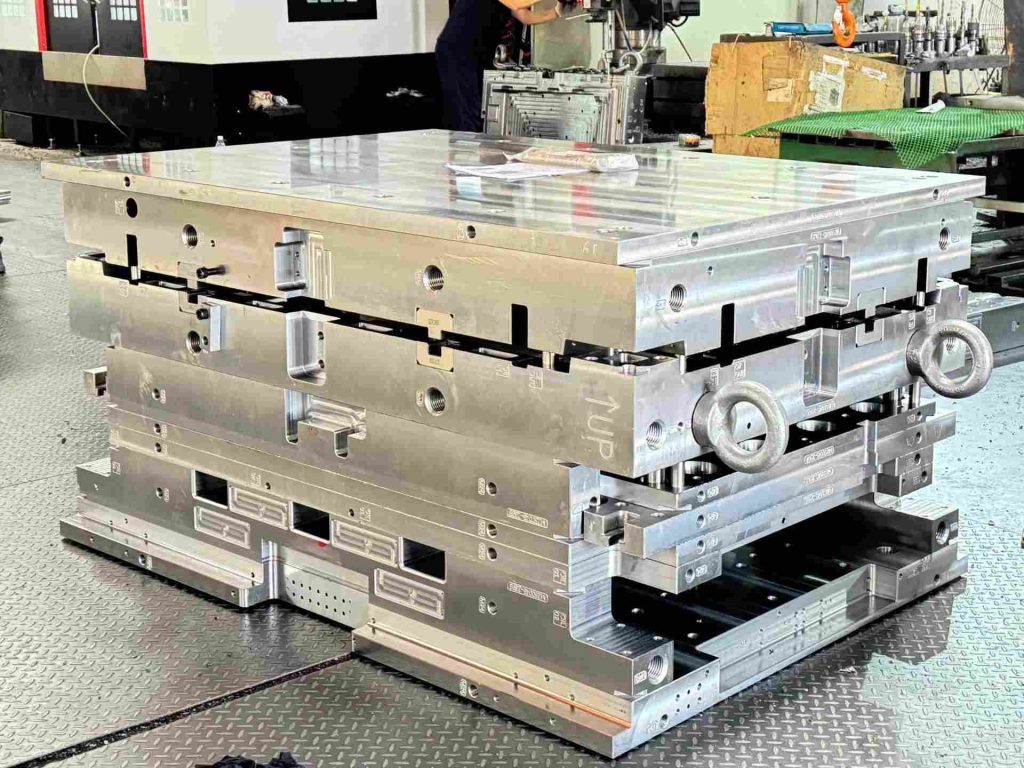
In addition, we can manufacture the mold according to the customer’s machine specifications and nominated tooling standard.
Mold Steel, Mold Base and Project Specifications
Because mold specifications affect product quality, durability and machine compatibility, our engineers confirm the main tooling requirements before design and manufacturing begin. Moreover, our engineers incorporate customer-specified tooling standards before design approval. As a result, the confirmed specification guides machining, mold trials and final inspection.
| Project Item | Available Options |
|---|---|
|
Mold Steel |
P20, P20H, 718, 718H, S136, S136H or customer specified |
|
Mold Base |
LKM, HASCO, DME or customer specified |
|
Cavity Layout |
Single-cavity or multi-cavity |
|
Runner System |
Hot runner or cold runner |
|
Mold Structure |
Standard, two-color, overmolding, insert molding or unscrewing |
|
Surface Requirement |
Texture, polishing or project-specific finish |
|
Molding Machine |
Designed according to customer machine specifications |
|
Project Files |
DFM, mold design, trial report and inspection documents |
|
Target Mold Life |
200,000 – 500,000 shots |
|
Machining Tolerance |
±0.01mm |
For example, mold steel selection depends on the plastic material, surface requirements, production environment and expected mold life. Therefore, a standard plastic housing may use a different steel grade from a high-gloss, transparent or corrosion-sensitive part.
However, customers can nominate the required steel supplier, mold base and technical standard. Therefore, our team confirms availability before preparing the final tooling specification. Consequently, every department follows the same confirmed tooling specification during production.
How a Plastic Injection Mold Maker Builds Your Tooling
To begin with, every mold project moves through engineering, manufacturing and validation. Meanwhile, customers receive the information needed before each new stage. Therefore, the total lead time usually ranges from 45 to 90 days, depending on mold complexity and approval requirements.
PROJECT WORKFLOW AT A GLANCE
1. Technical Review and Quotation
(1–3 Business Days)

2. DFM and Mold Design
(Project-Specific)

3. Mold Manufacturing
(Approximately 30–70 Days to T0)

4. Trial Feedback and Approval
(Based on Review Results)

5. Packing and Export Delivery
(Based on Shipping Plan)
In addition, the following stages explain how our team controls the key engineering, manufacturing and validation activities. In particular, each project stage requires confirmation before the tooling team proceeds. Therefore, regular progress updates help both sides resolve questions before the next stage.
Detailed Manufacturing Controls
1. Engineering Review and Mold Design
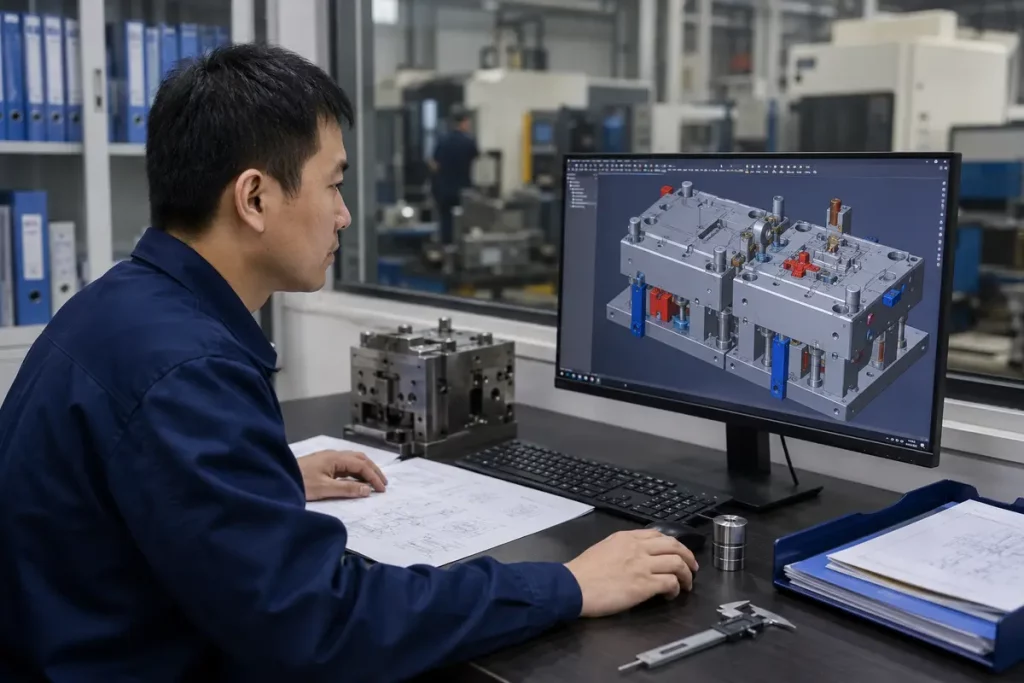
Firstly, our engineers review the part drawing, plastic material, production quantity and customer equipment. Secondly, the team checks wall thickness, draft angles, undercuts, gates, cooling and ejection. In addition, we prepare the DFM analysis and detailed mold design for customer review. Finally, manufacturing begins after the customer confirms the main tooling specification.
Main Review Items
- Mold structure and cavity layout
- Mold steel and mold base
- Runner and gate design
- Cooling and ejection structure
- Customer machine compatibility
2. Machining, EDM and Assembly
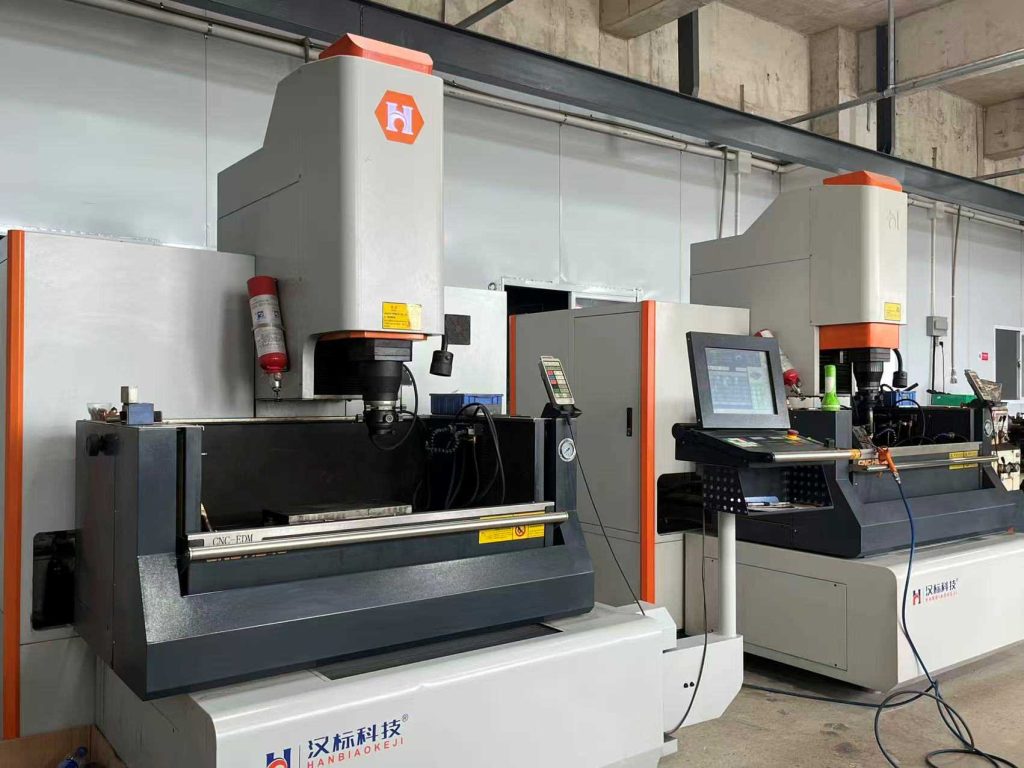
Firstly, CNC machining produces the main mold plates, cores and cavities. Meanwhile, wire cutting processes slots, inserts and other precision features. In addition, EDM and mirror EDM form areas that cutting tools cannot reach. Finally, technicians fit and assemble the mold according to the approved design.
Main Manufacturing Work
- CNC machining
- Wire cutting
- Electrode manufacturing
- EDM and mirror EDM
- Mold fitting and assembly
3. T0 Trial, Approval and Delivery
Firstly, the tooling team installs the completed mold and conducts the T0 trial. Afterwards, engineers inspect the sample dimensions, appearance and functional details. Then, we share the trial results and samples with the customer. Finally, the approved mold enters export preparation or plastic part production. Moreover, customer feedback guides the final mold adjustments before approval.
Trial and Delivery Options
- T0 trial information
- Sample dimensional review
- Mold adjustment
- Final sample approval
- Export mold packing
- Small-batch or regular production
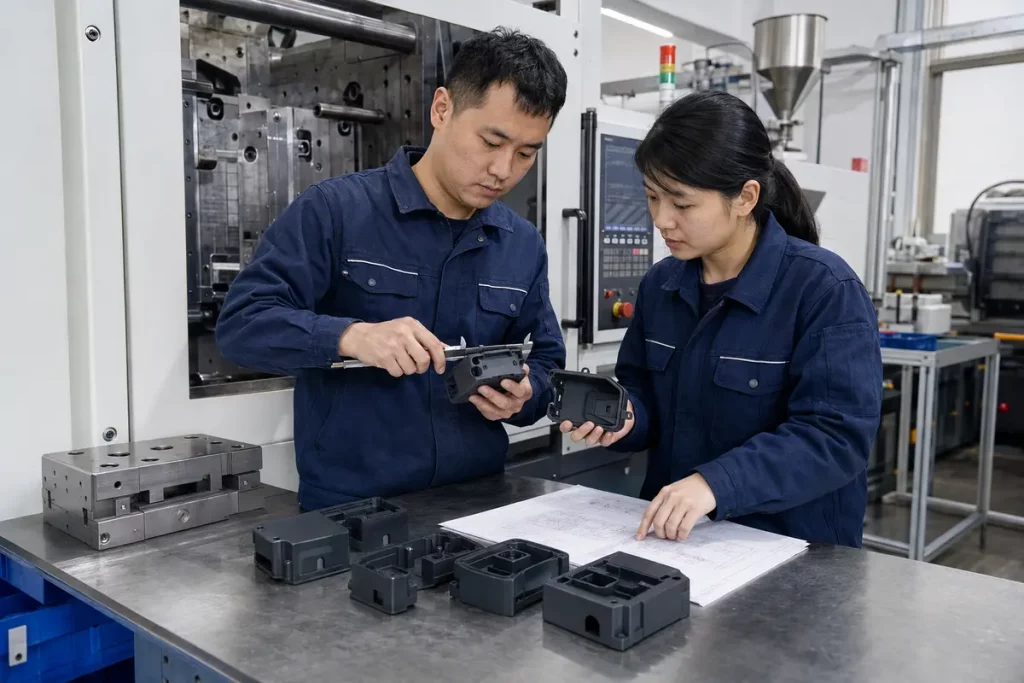
Project Files From Your Plastic Injection Mold Maker
Firstly, we provide the agreed engineering files for customer review. In addition, customers receive manufacturing updates before important production and approval stages. Moreover, trial reports and inspection records help customers evaluate the finished mold. Finally, we organize the confirmed documents before mold delivery or continued plastic part production.
- Preliminary DFM review
- Detailed DFM report
- Mold design drawings
- Mold flow analysis
- Mold steel certificates
- Material certificates
- Mold trial reports
- Sample inspection results
- Trial photos and videos
- Manufacturing progress updates
- Mold maintenance instructions
- Export packing photos
Moreover, these records help customers track important tooling decisions and trial results. Finally, the project team organizes all agreed files before mold delivery.
Inside a Plastic Injection Mold Maker Workshop
Firstly, mold components move through machining, EDM, fitting and assembly. Meanwhile, technicians follow the approved drawings and tooling specifications during each operation. Finally, the workshop images below show the equipment used to support custom mold projects.
For this reason, technicians check each mold component before fitting and assembly. In addition, project managers compare manufacturing progress with the approved production schedule. In addition, our manufacturing and inspection procedures operate under an ISO 9001 quality management system. Overall, this workflow helps our team maintain consistent manufacturing and inspection records.
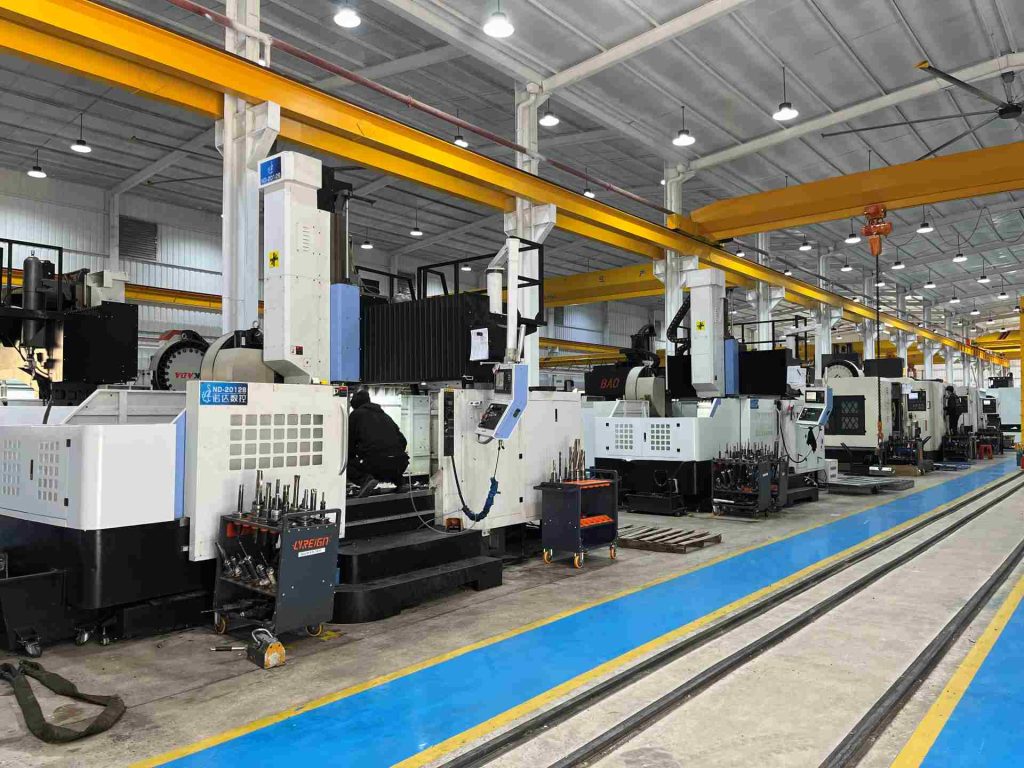
Mold Manufacturing Workshop
Moreover, the workshop layout supports multiple mold machining and project coordination activities.
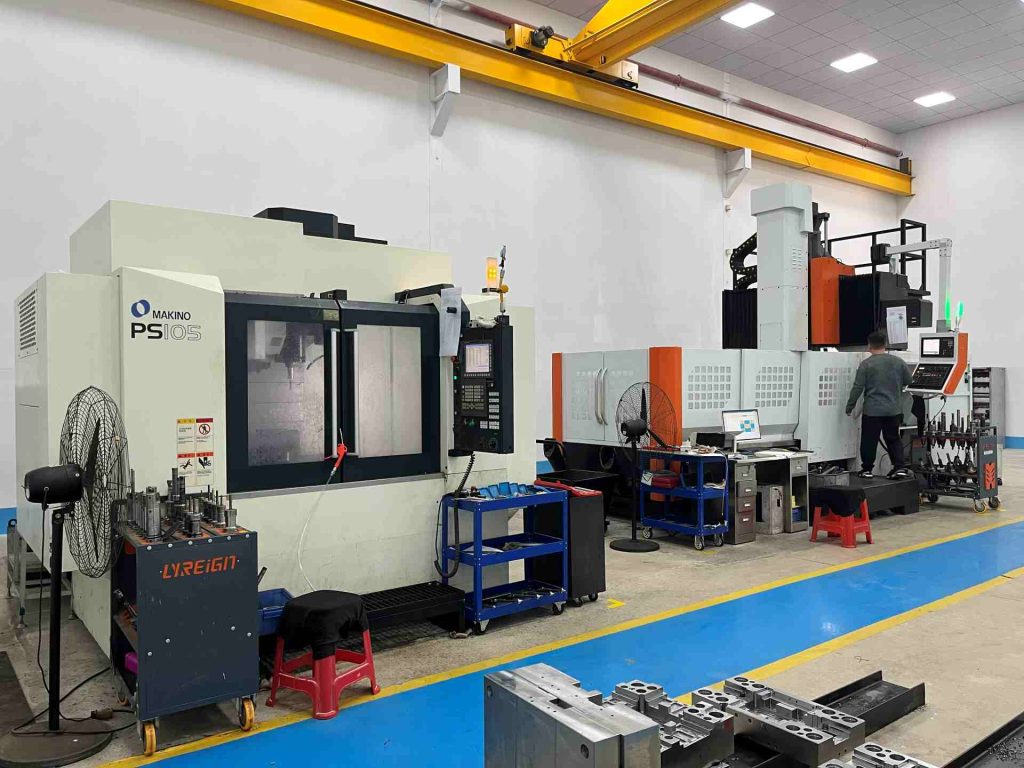
Large Mold Machining Equipment
In addition, larger equipment supports sizeable mold bases, housings and complex tooling structures.
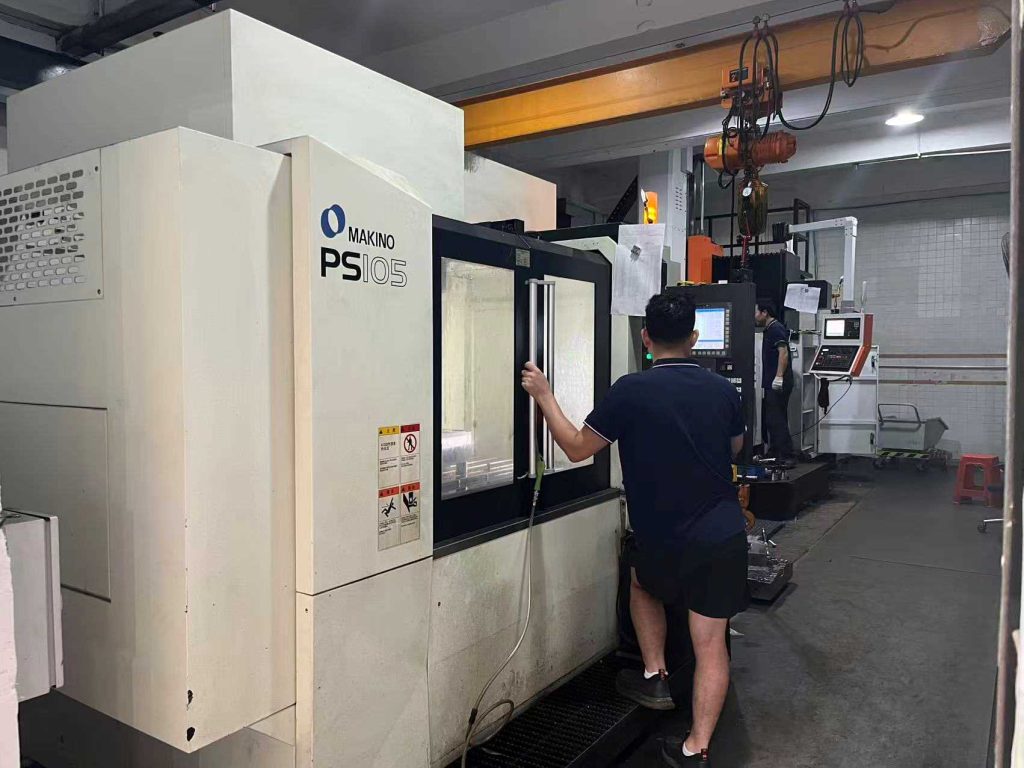
Precision Component Machining
During machining, technicians follow the approved mold design and project specification.
Complex Tooling Solutions From a Plastic Injection Mold Maker
Because complex plastic parts require specialized mold structures, engineers must carefully plan material flow, insert positioning, thread release and product appearance. For example, inserts, multiple materials and internal threads require different tooling strategies. Therefore, engineers evaluate each technical risk before confirming the final mold structure.
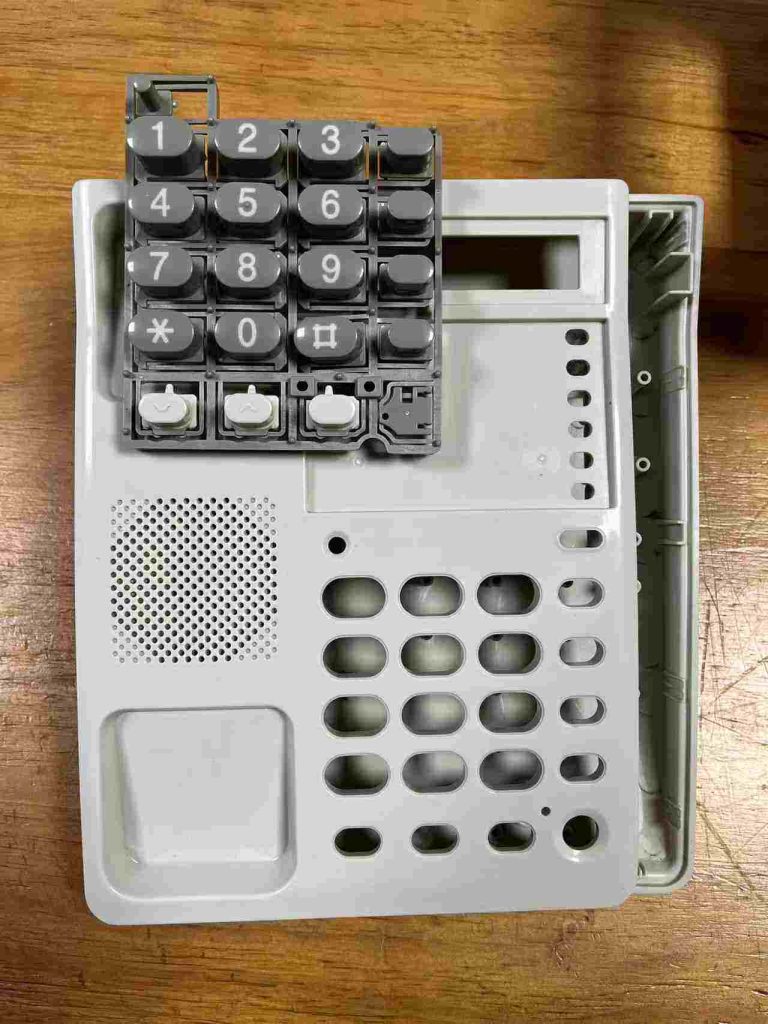
Two-Color Button Components
Challenge
Firstly, the two color areas require accurate positioning and a controlled material boundary. Therefore, the mold must prevent color overlap and unwanted material movement.
Tooling Focus
In addition, engineers review material compatibility, molding sequence and cavity alignment. Finally, trial samples confirm the color boundary and product dimensions.
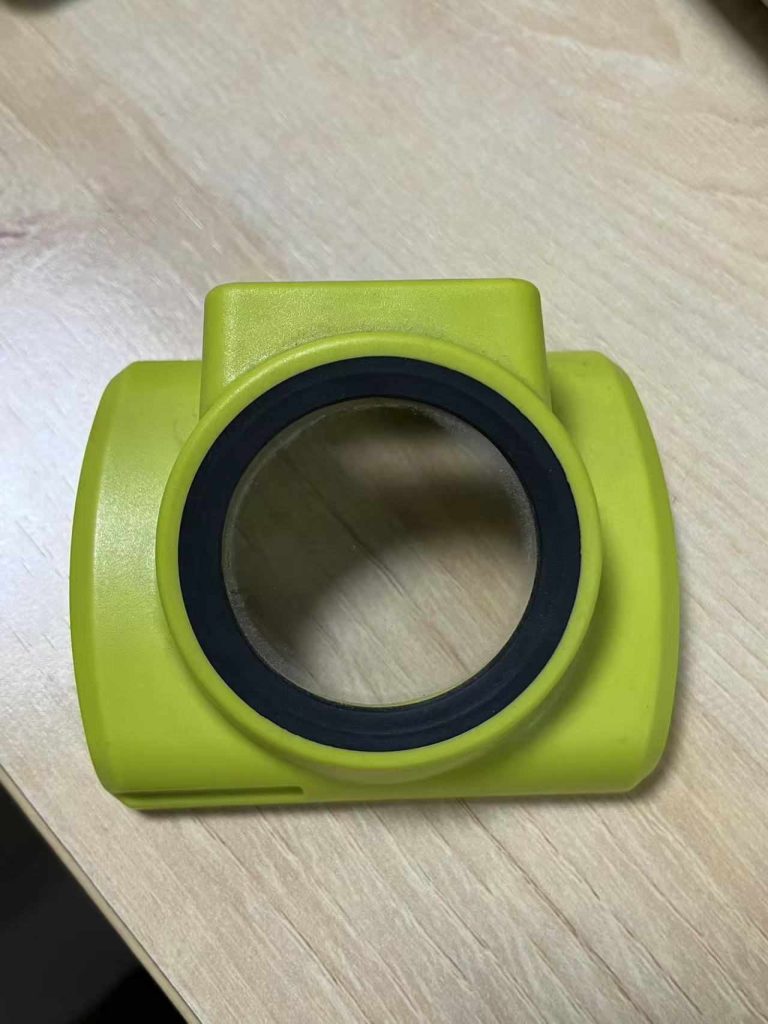
Glass Insert Overmolded Component
Challenge
Firstly, the glass insert must remain stable while plastic flows around the required area. Therefore, the cavity and locating structure must protect the insert from movement and damage.
Tooling Focus
Meanwhile, engineers evaluate insert positioning, molding pressure and plastic flow. Finally, mold trials confirm the insert condition and overmolded dimensions.
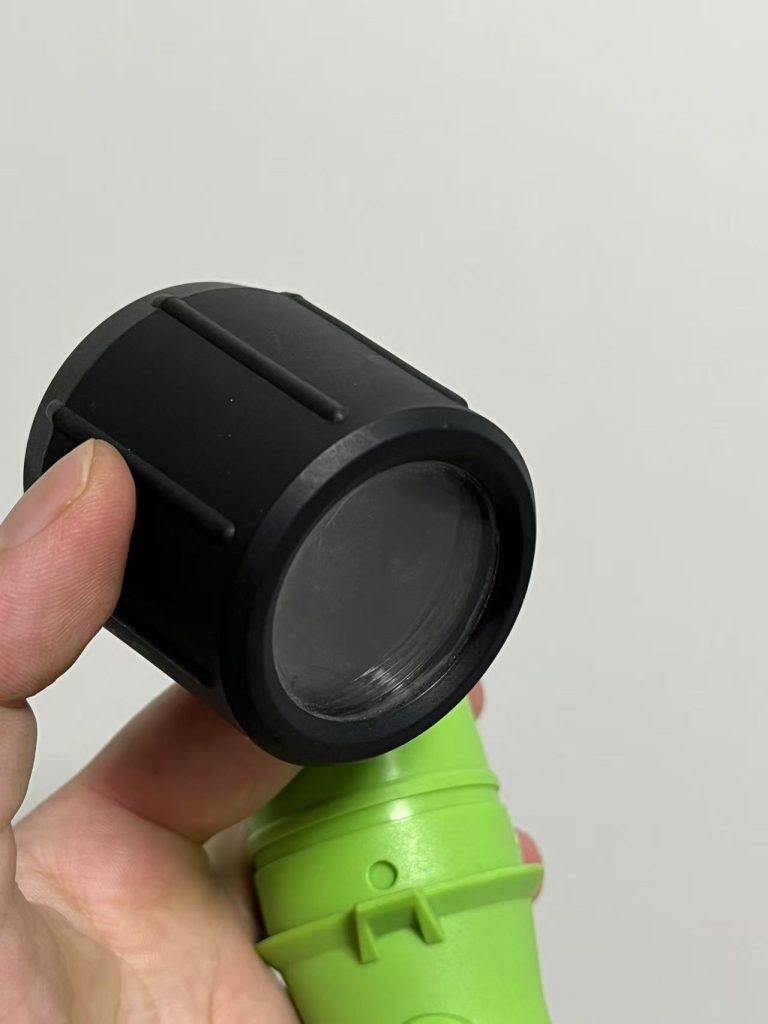
Internal Thread Plastic Component
Challenge
Firstly, internal threads prevent the part from using a conventional straight ejection method. Therefore, the mold requires a suitable thread-release structure.
Tooling Focus
In addition, engineers evaluate the thread direction, pitch, plastic material and release movement. Finally, mold trials confirm smooth demolding without damaging the internal thread.
Plastic Injection Mold Maker FAQs
Firstly, the following answers explain several common tooling decisions. In addition, each mold specification depends on the part design, material and production requirements. Therefore, our engineers confirm the final solution after reviewing the customer’s project information.
Which mold steel grades can you use?
For example, we commonly work with P20, P20H, 718, 718H, S136 and S136H. However, our engineers select the final steel grade according to the plastic material, surface requirements, production environment and expected mold life.
Can you build the mold for our injection molding machine?
Firstly, we review the machine platen, tie-bar spacing, nozzle, locating ring and relevant specifications. Therefore, the engineering team can design the mold interface according to the confirmed equipment information.
Can you follow HASCO, DME or LKM standards?
In addition, we can manufacture molds according to LKM, HASCO, DME or another customer-specified tooling standard.
What project documents can you provide?
For example, we can provide DFM reports, mold drawings, mold flow analysis, steel certificates, trial reports, inspection results, maintenance instructions and packing photos according to the project agreement.
Do you test the mold before export?
Firstly, we conduct a mold trial and check the molding process, sample dimensions, appearance and functional requirements. After that, we complete the required adjustments and send samples for customer approval.
Can you keep the mold for plastic part production?
As a result, customers can approve the mold and continue with small-batch trials or regular production at Zemyn. Alternatively, we can prepare the approved mold for export delivery.
Start Your Custom Mold Project
Firstly, send us your plastic part drawing, material requirements and expected production quantity. Then, our engineers will review the project information. Secondly, we will contact you to discuss the mold structure, quotation and next step. Finally, our engineering team will explain the recommended mold structure and next project step. Therefore, customers can start the technical review before making a final tooling decision.
Moreover, your drawings and project information will remain confidential throughout the quotation and manufacturing process.