
Injection Molding Quality Control for Custom Plastic Parts
Zemyn applies injection molding quality control from drawing review and material verification to mold trials, production sampling and final release. First, our team confirms the inspection requirements for each project. Then, we record the agreed checks and share the required reports before delivery.
- CMM and optical dimensional inspection
- First article and trial sample review
- In-process appearance and dimensional checks
- Project-specific inspection records
Quality Requirements Confirmed Before Production
Reliable quality begins with clear acceptance requirements. Therefore, our engineers review the drawings, critical dimensions, appearance standards, material specifications, assembly conditions and expected production quantity before manufacturing starts.
Next, we define which characteristics require dimensional measurement, visual inspection or functional confirmation. If a customer provides a control plan, approved sample or inspection standard, we add it to the project record. Otherwise, our team prepares a practical inspection plan for customer review.
What We Confirm
- Plastic material grade and color
- Critical dimensions and tolerances
- Surface and appearance requirements
- Assembly and fitting conditions
- Functional testing requirements
- Sampling frequency and report format
How Our Injection Molding Quality Control Process Works
Each project follows a defined inspection sequence. As a result, the team can identify issues at the correct stage and maintain clearer records from trial samples to final delivery.
1. Drawing and Specification Review
First, our engineers review the drawings, material requirements, critical dimensions, appearance standards and assembly conditions.
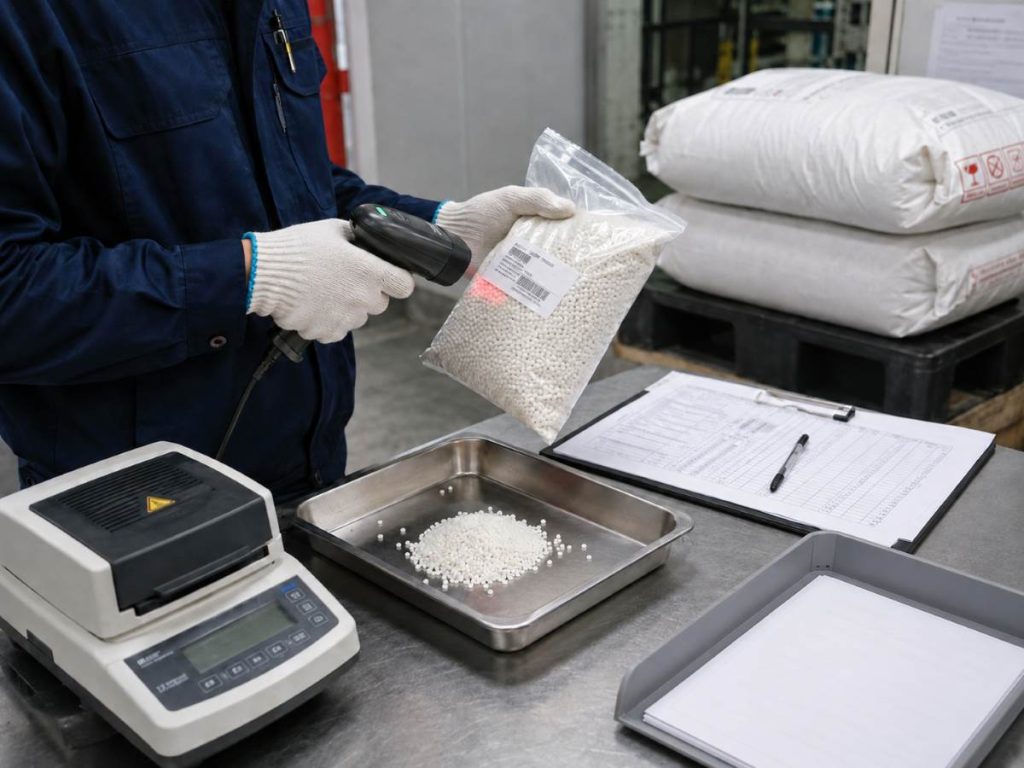
2. Incoming Material Verification
Before production begins, the team confirms the resin type, batch information, color requirements and available material documents.
3. Mold and Component Inspection
Next, engineers inspect important mold components, fitting conditions and relevant dimensions before mold trials.
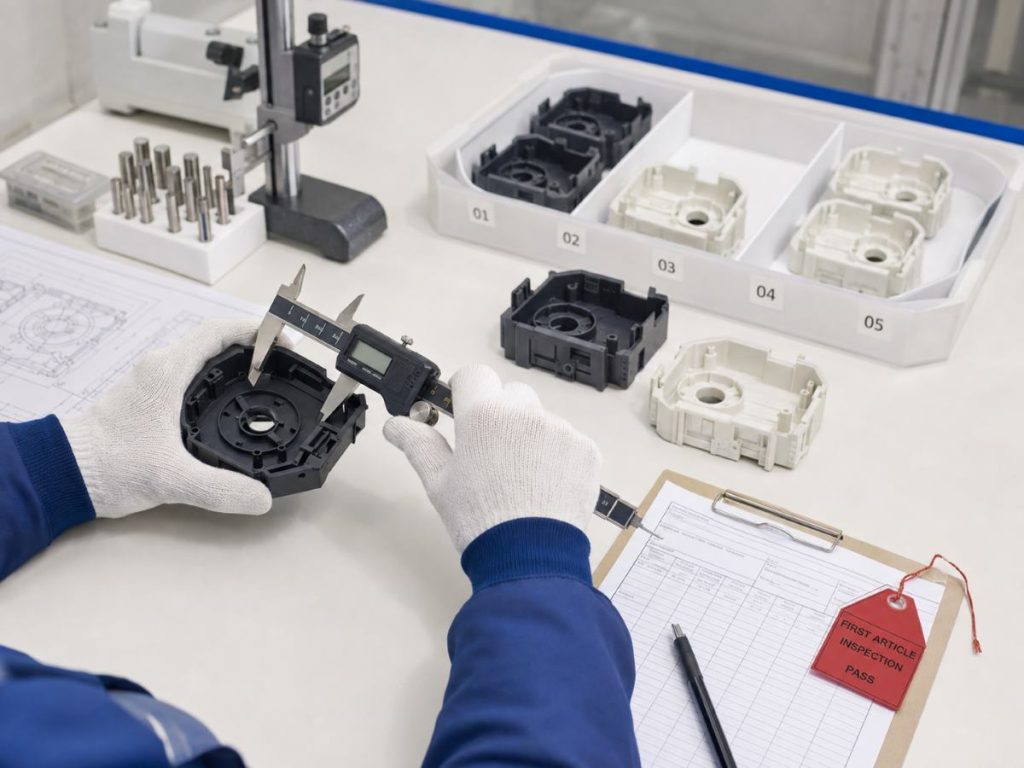
4. Trial Sample and First Article Approval
Once the mold is ready, we review trial samples for dimensions, appearance, fit and basic function before production approval.
5. In-Process Sampling
During production, the quality team performs scheduled sampling and monitors appearance, dimensions and process consistency.
6. Final Inspection and Release
Finally, we confirm the required inspection results, quantity, packaging and batch information before shipment release.
First Article Approval Before Stable Production
The first article creates a reference for the following production batch. Therefore, our team compares the initial molded samples with the approved drawings and project requirements.
In addition, engineers review critical dimensions, surface condition, assembly and function when required. After approval, the confirmed sample and production settings provide a clearer standard for subsequent inspections.
Inspection Equipment for Injection Molding Quality Control
Different part features require different inspection methods. For example, complex three-dimensional geometry may require CMM measurement, while profiles and smaller planar features may be checked with optical equipment.
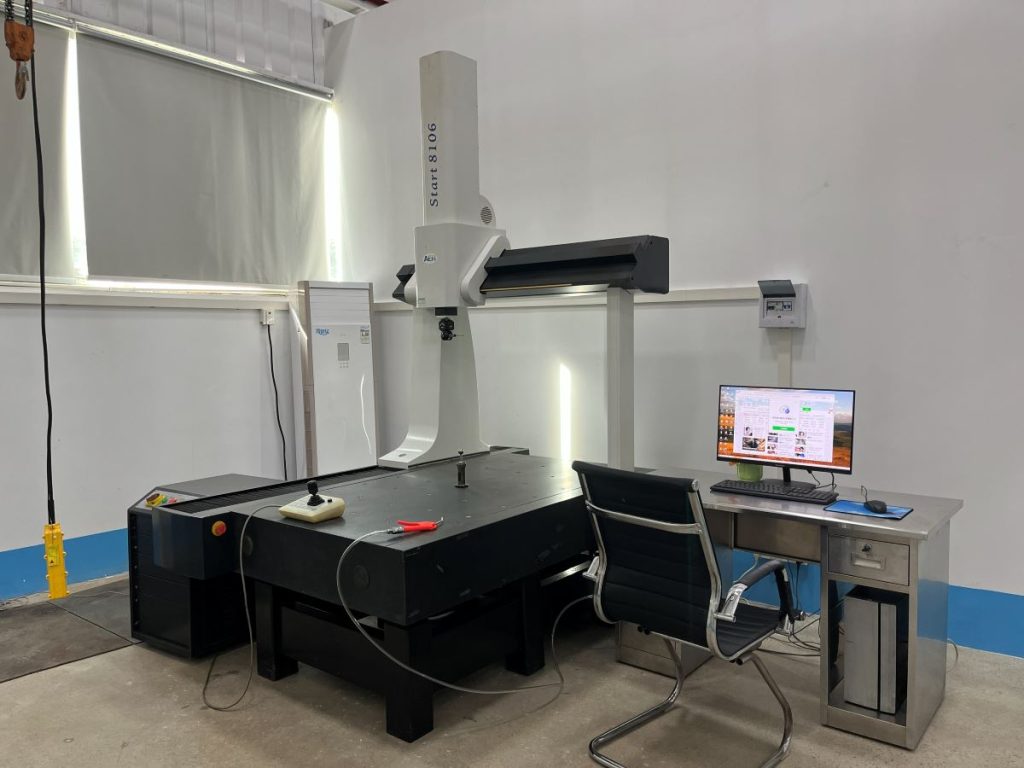
CMM Dimensional Inspection
CMM inspection supports the measurement of complex coordinates, hole positions, profiles and other critical dimensions. Moreover, measurement results can be recorded according to the agreed project requirements.
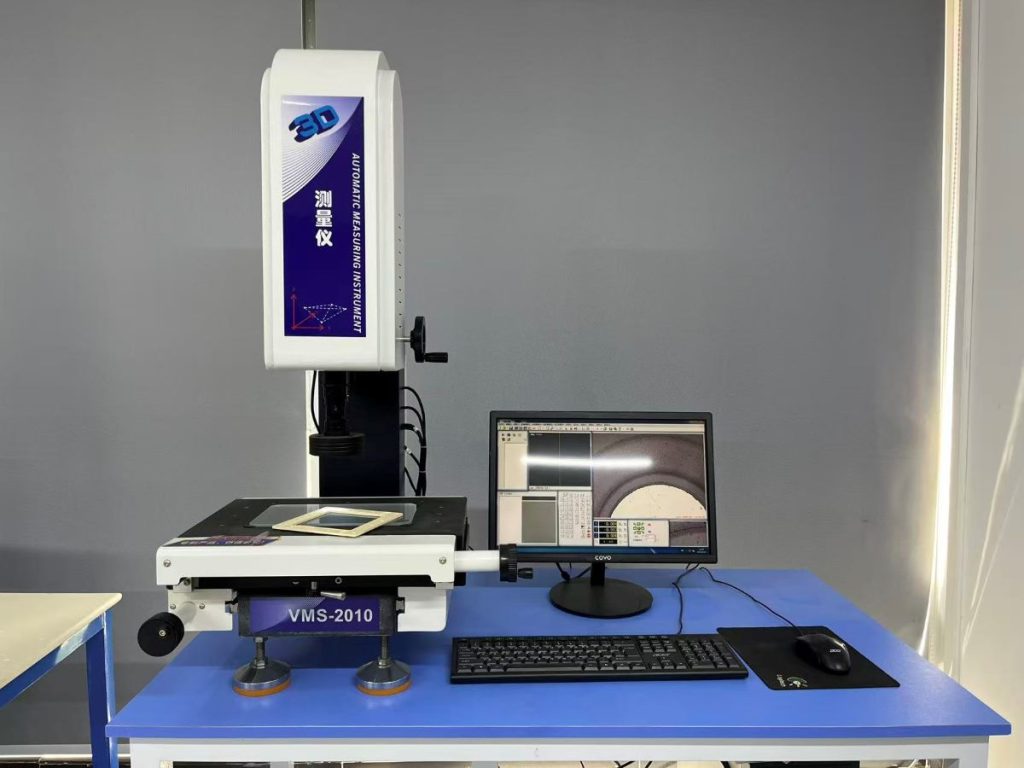
Optical Measurement
The 2.5D optical measuring system checks profiles, distances, diameters, angles and other visible features without applying excessive contact force to the part.
Manual Gauges and Functional Checks
Meanwhile, calipers, micrometers, pin gauges, fixtures and assembly checks support routine inspection during mold trials and production.
What We Inspect During Mold Trials and Production
During mold trials, our team checks whether the mold produces parts that meet the agreed dimensional, appearance and functional requirements. At the same time, engineers observe filling, ejection, parting-line condition and production repeatability.
During regular production, quality personnel inspect samples at defined stages. If a deviation appears, the team records the issue, checks the possible cause and confirms the required action before production continues.
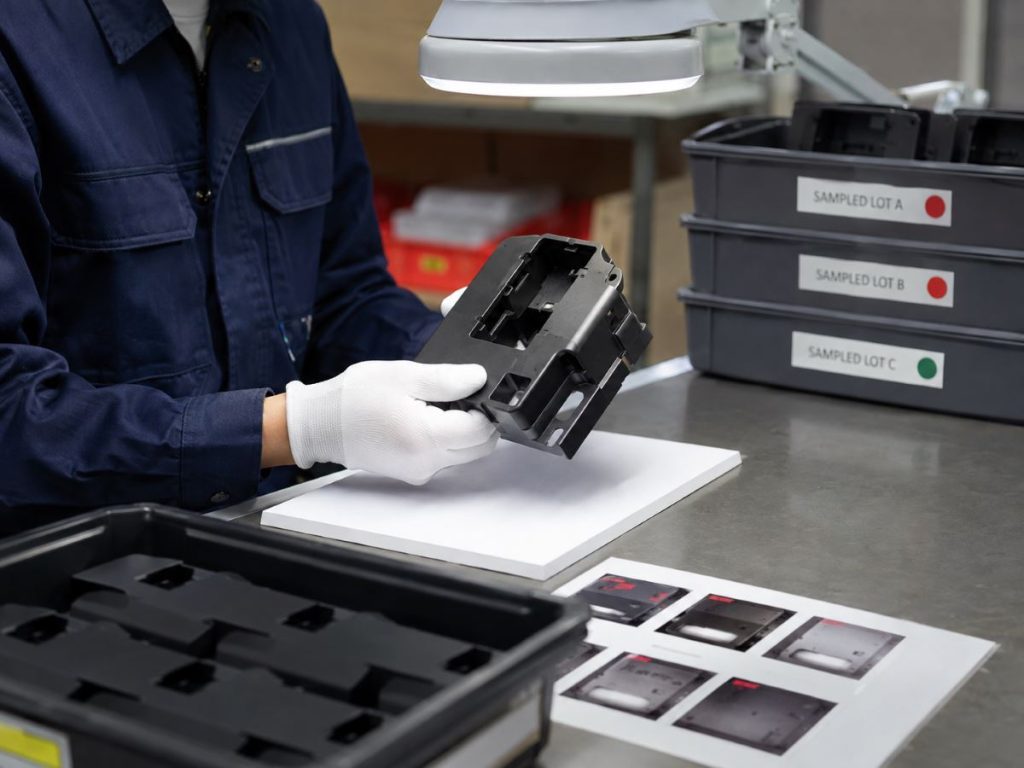
Mold Trial Checks
- Filling and gate condition
- Parting line and flash
- Ejection performance
- Cooling and deformation
- Sample dimensions
- Assembly and basic function
Common Part Conditions We Monitor
- Short shots and incomplete filling
- Flash and excess material
- Sink marks and weld lines
- Burn marks and discoloration
- Warpage and dimensional variation
- Scratches, contamination and assembly interference
Quality Records and Final Release
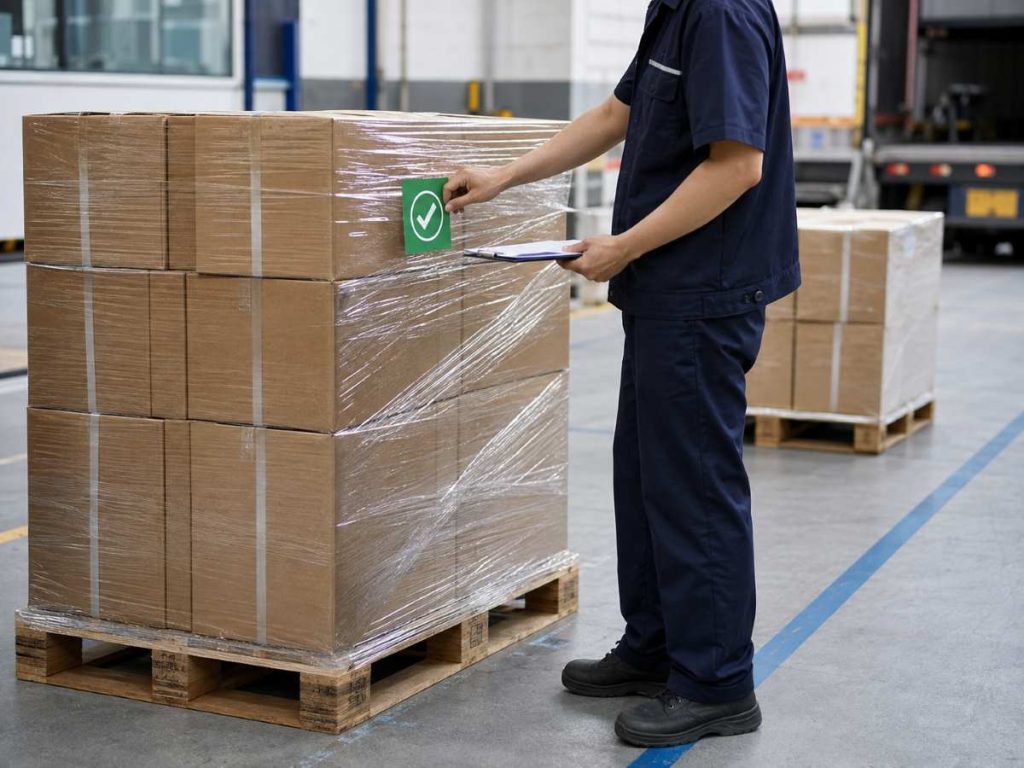
Clear records help customers understand how the project was checked. Therefore, Zemyn prepares inspection information according to the confirmed project requirements and production stage.
Before shipment, the quality team reviews the required results, quantity, packaging and batch identification. Finally, approved parts move to packing and delivery preparation.
Our manufacturing and inspection workflow operates under an ISO 9001 quality management system. In addition, customers can confirm specific report formats and inspection requirements before production begins.
Available Quality Records
- Material and batch information
- Dimensional inspection reports
- Trial sample inspection records
- First article inspection records
- Appearance inspection records
- In-process sampling records
- Corrective action records when required
- Final inspection and release records
Inspection Support for Different Project Stages
New Mold Development
For a new mold project, we review drawings, tooling requirements, trial samples and agreed acceptance standards. Then, the inspection results support sample approval and mold adjustments.
Existing Mold Evaluation
For an existing mold, our team first checks the available mold information, current sample condition and equipment compatibility. After that, we confirm whether further trial or inspection work is required.
For regular production, the quality plan can include first article approval, in-process sampling and final release. Meanwhile, inspection frequency can follow the agreed project requirements.
Injection Molding Quality Control FAQs
What information do you need to prepare a quality plan?
First, please provide the part drawings, material requirements, critical dimensions, appearance standards, expected quantity and any existing inspection documents. Then, our engineers can review the required inspection stages and report format.
Can you inspect critical dimensions with a CMM?
Yes. Our CMM supports dimensional inspection for suitable mold components and molded plastic parts. However, the final measurement method depends on the part geometry, tolerance and inspection requirements.
Do you provide inspection reports?
Yes. We can provide dimensional, trial sample, first article and production inspection records according to the confirmed project requirements.
How do you approve samples before mass production?
First, we compare trial samples with the drawings and agreed requirements. Next, we review dimensions, appearance, assembly and function when applicable. Production begins after the required sample approval.
Can you follow our inspection standard?
Yes. Customers can provide drawings, control plans, approved samples, inspection frequencies and report templates. After review, our team adds the confirmed requirements to the project records.
Can you inspect an existing mold before production?
Yes, subject to an initial evaluation. First, we review the mold information, samples and production requirements. Then, we confirm equipment compatibility and the inspection work required before trial production.
Send Us Your Drawings and Quality Requirements
Send us your 2D or 3D drawings, material requirements, critical dimensions and expected quantity. First, our engineers will review the project information. Then, we will contact you to confirm the inspection plan, required reports and next production step.